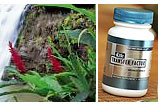
|

RioVida
500 ml • 16.9 ounces
2-Pack $57.95 Wholesale
50 LP
Join/Order Now
Return to
SmartImmune
Close up of
RioVida label
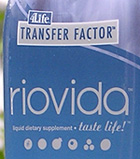
RioVida • Taste Life
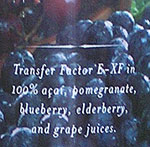
|
Lactoferrin
Lactoferrin is a minor glycoprotein component of whey. It belongs to
the iron transporter or transferrin family of glycoproteins.
Lactoferrin is also found in exocrime secretions from mammals and is
released from neutrophil granules during inflammation. The
lactoferrin concentration in bovine (cows) milk is only 0.5% to 1.0%
while human breast milk can contain as much as 15% lactoferrin.
Lactoferrin plays several important roles in human biology. First,
Lactoferrin is believed to play a role in the uptake and absorption
of iron through the intestinal mucosa. It may be the primary or sole
source of iron for breast fed infants. Second, Lactoferrin appears
to have antibacterial, antiviral, antifungal, anti-inflammatory,
antioxidant and immunomodulatory activities.
How Lactoferrin Works
Receptors for lactoferrin are
found in monocytes, lymphocytes, neutrophils, intestinal tissue
and one certain bacteria. Lactoferrins ability to bind iron may
account for some of its anti-bacterial activity. Iron is
essential to support the growth of pathogenic bacteria.
Lactoferrin may also inhibit the attachment of bacteria to the
intestinal wall.
The
possible antiviral activity of supplemental lactoferrin may be
due to its inhibition of virus-cell fusion and viral entry into
cells. It is believed that Lactoferrin may promote the growth
and differentiation of T lymphocytes. Lactoferrin appears to
bind uniquely to sites on the T4 (helper) and T8 (suppressor)
lymphocytes. Lactoferrin also appears to play a role in the
regulation of cytokines and lymphokines, such as tumor necrosis
(TNF)-alpha and interleukin (IL)-6.
Lactoferrin's possible antioxidant activity may also contribute
to its possible immunomodulatory activity. Antioxidants are
getting increasing attention as possible therapeutic agents in
infections and a variety of other diseases. Lactoferrin's
ability to bind iron probably contributes to both its
antioxidant properties and its antibacterial action. Free iron
is a contributor in the generation of free radicals.
Lactoferrin Research Summary
Lactoferrin, a natural occurring cytokine in the human body, has
exhibited significant activity against Escherichia coli, Proteus
mirabilis, Staphyloccocus aureus, Candida albicans, HIV, herpes
simplex type 1, hepatitis C, cytomegalovirus and other pathogens
in vitro (in a lab dish) studies. Human studies, however, are
almost entirely lacking.
<-- Back
Next -->
Join/Order Now
Return to
SmartImmune
|